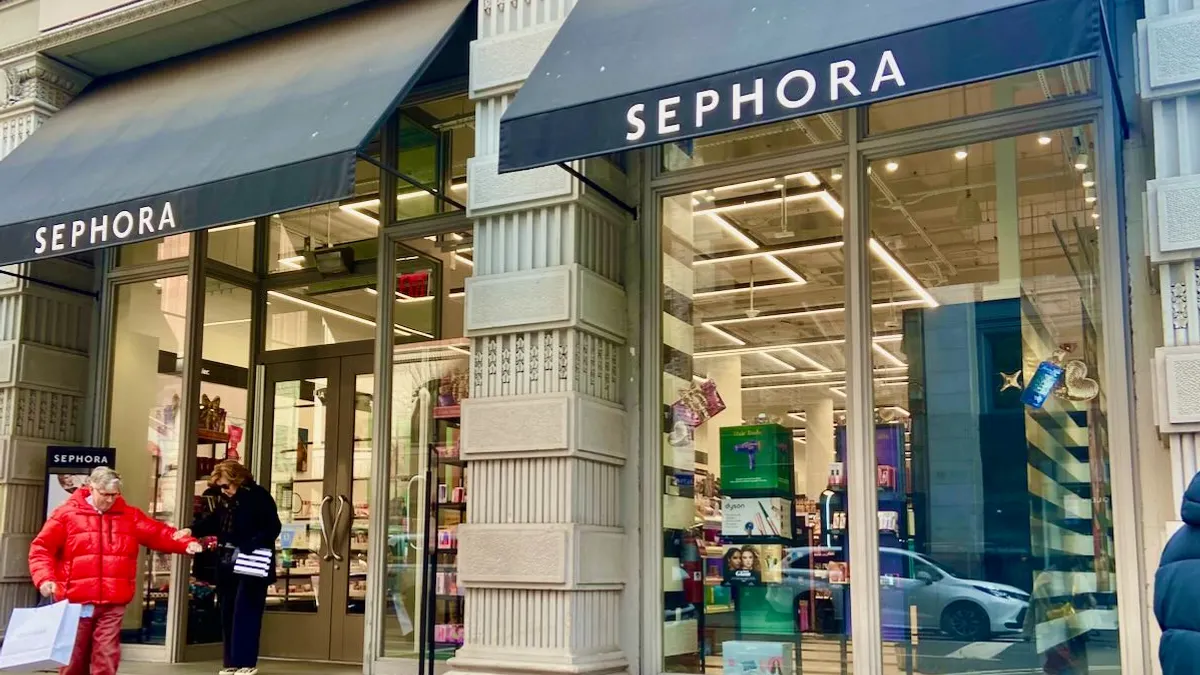
Sephora, the prominent beauty retailer, has completed a significant reorganization of its U.S. marketing department over the past year, aiming to enhance efficiency and effectiveness. This strategic overhaul impacted 27 roles, though the company confirmed there were no workforce reductions, with affected employees offered opportunities to transition into new positions.
The restructuring saw all 27 impacted roles repurposed to create new marketing positions. According to a company statement provided to Retail Dive, this initiative is designed to "offer both mobility to our current workforce and recruitment opportunities for new talent."
This marketing revamp by Sephora comes amidst a dynamic period for the retail sector, characterized by ongoing economic pressures affecting consumer behavior and rapid technological advancements reshaping industry operations. The company emphasized its proactive approach, stating:
Sephora operates in a fast-paced marketing and retail environment, continually adapting to meet the moment. We have approached this reorganization purposefully to determine a new structure that will enable our marketing teams to be more effective and efficient, while continuing to build on our recent success and drive future growth.
The departmental shift follows the appointment of Zena Srivatsa Arnold as Sephora's new U.S. Chief Marketing Officer in 2023. She succeeded Deborah Yeh, who previously held the U.S. CMO role for over seven years and now serves as Sephora's global Chief Marketing Officer. The marketing reorganization is also part of a larger strategic transformation within Sephora's North American operations. In January, the company announced ambitious plans to redesign its entire North American store fleet, with a majority of the work expected to be completed within approximately five years, as stated by Sephora North America President and CEO Artemis Patrick.
Further demonstrating its adaptive strategies, Sephora expanded its investment in affiliate marketing last October with the launch of 'My Sephora Storefront.' This U.S.-based program empowers beauty influencers to create personalized, shoppable digital storefronts directly integrated into Sephora's website, which they can then share with their followers.
Although macroeconomic pressure is influencing consumer sentiment, at least some shoppers continue to make beauty purchases. However, an August report from Circana highlighted a notable trend: mass market beauty sales outpaced growth in prestige beauty during the first half of 2025, indicating a potential shift in consumer spending habits within the industry.