Snapchat is actively urging brands to recognize and capitalize on the significant marketing opportunities available in the post-Christmas period, which it terms "Q5." The platform is keen to highlight this often-overlooked window, presenting it as a crucial time for advertisers to boost engagement and ad spend.
Recent data from Snap indicates a substantial trend: 88% of U.S. Snapchat users engage in gift shopping during the weeks following Christmas. This insight suggests a lucrative period for brands, aligning with Snapchat's strategic efforts to enhance its end-of-year revenue.
Unpacking Post-Holiday Consumer Behavior
To further understand these dynamics, Snapchat commissioned Ipsos to conduct a comprehensive survey involving over 5,711 consumers across five markets. The findings offer valuable insights for brands still finalizing their holiday marketing strategies, suggesting that allocating budget for Snap ads in Q5 could yield strong returns.
The survey revealed that 60% of consumers continue their shopping activities after Christmas, with Snapchat users showing a particular propensity to buy during this time.
“With gift cards to spend, time off to relax, and budgets planned ahead, Snapchatters see Q5 as their moment to treat themselves and others.”
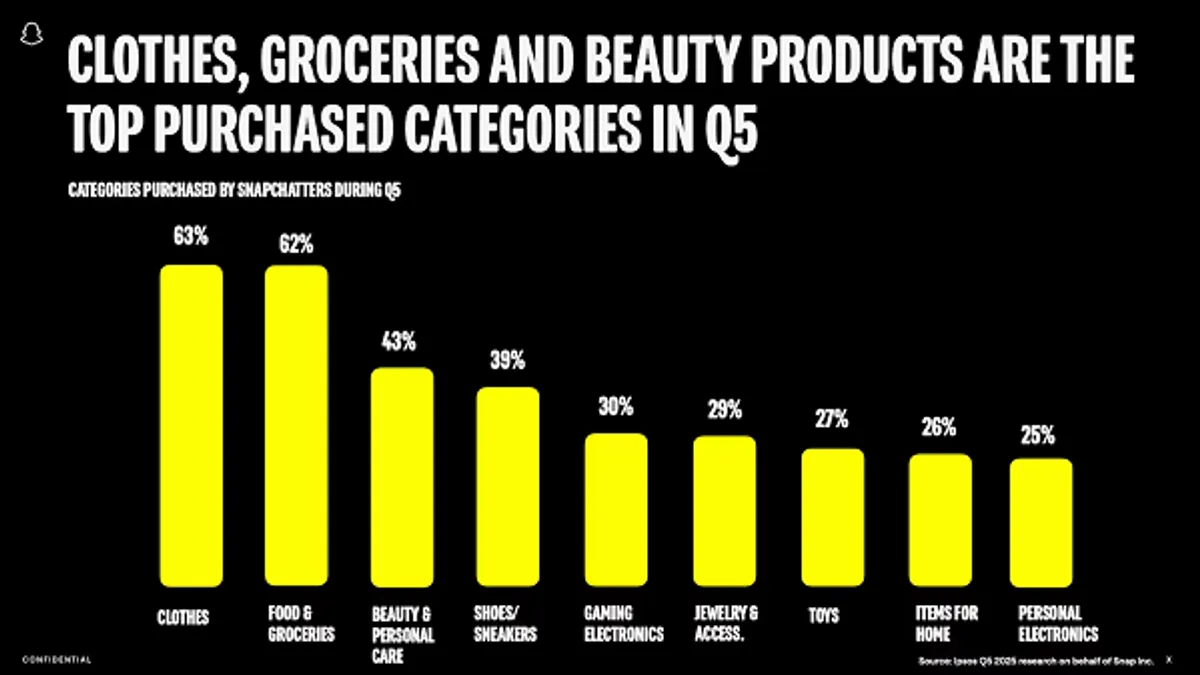
Logically, consumers tend to shop more for themselves than for others in the post-Christmas phase. Top-selling categories identified include fashion, beauty, electronics, and food, indicating diverse opportunities for various brands.
Peak Engagement and New Year's Opportunities
Beyond shopping, the report also highlights increased activity among Snapchatters in Q5 as they connect with friends and share holiday experiences.
“In fact, New Year’s Eve is the #1 engagement day on Snapchat, making it the perfect moment for brands to connect.”
This period also aligns with New Year's resolutions, presenting additional marketing avenues for brands to tap into consumers' self-improvement pledges and aspirations.
Snapchat's Strategic Push
While the data clearly outlines valuable opportunities for brands, Snapchat's strong emphasis on Q5 also stems from its own strategic motivations. With regions like Australia considering raising the social media age limit to 16, and other areas potentially following suit, Snapchat faces the risk of losing connection with a significant portion of its younger audience. This could impact its future ad potential, making the current push to boost ad sales in Q5 a timely and crucial move for the platform.
Ultimately, the presented data underscores genuine and valuable opportunities for brands to engage with consumers and drive shopping behavior during the post-holiday season.
For a deeper dive, you can access Snapchat’s full Q5 insights report here.