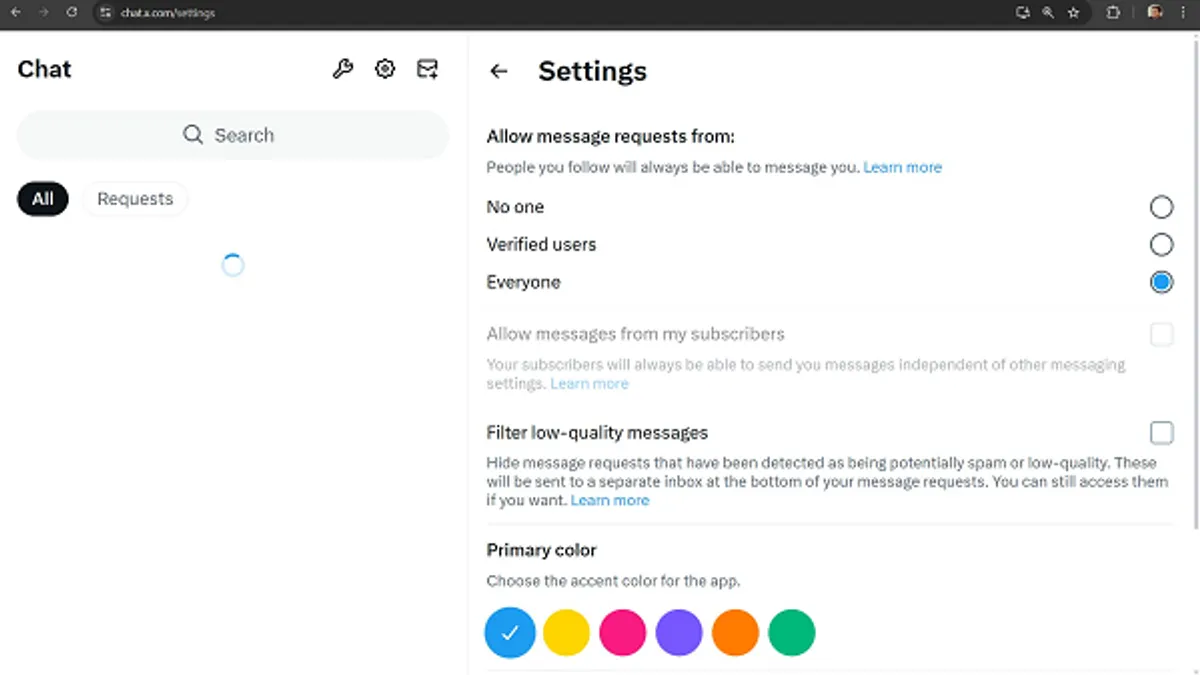
Meta has officially discontinued its native Facebook Messenger desktop applications for Mac and Windows, effective December 15, 2025. Existing users attempting to access the standalone apps are now being redirected to the Facebook website or Messenger.com to continue using the popular messaging service.
Originally launched at the start of the COVID-19 pandemic in 2020, the Messenger desktop app aimed to provide a dedicated experience for users. However, it struggled to compete with business-focused rivals like Zoom, which offered superior video call participant capacity, screen sharing capabilities, and easier URL sharing.
FB Messenger for Windows desktop deprecated as of 15 December 2025. pic.twitter.com/Yh1mLqJFUi
— Allen Lorbes (@AllenLorbes) December 15, 2025
Strategic Shifts and Technical Hurdles
The impending shutdown of the desktop apps for Mac and Windows was signaled by Meta earlier this October, with the company advising users to set up a PIN to save their chat history before transitioning to the web-based versions. This move reflects a broader strategic shift, as Facebook began re-integrating Messenger back into its main app in 2023, suggesting a push to consolidate its user base within its flagship social network.
Technical challenges also plagued the desktop versions. According to Meta's help documentation, Messenger for Mac was built using Catalyst, a technology designed to adapt iPad apps for macOS. This approach drew criticism from both developers, who noted the additional work required, and users, who often found the apps lacked a truly native feel. Prior to its Catalyst iteration, the Mac app evolved from an Electron app to a React Native Desktop app, according to a former Meta software engineer. On the Windows side, the app transitioned to a Progressive Web App (PWA) last year. These technical downgrades likely contributed to a decline in user demand for a standalone Mac app.
What This Means for Users
People who use Messenger without a Facebook account are being redirected to Messenger.com following the shutdown, where they can log in without needing to create a Facebook account. For more detailed information regarding this transition, Facebook's help center provides separate resources for Mac users and Windows users.