The European Union has imposed its first significant penalty under the landmark Digital Services Act (DSA), fining X, formerly Twitter, €120 million (approximately $140 million) for what it calls a 'deceptive' blue checkmark verification system. The European Commission announced the fine on Friday, citing X's breaches of transparency obligations, including issues with its advertising repository and restricted access to public data for researchers.
X's 'Deceptive' Blue Checkmark System
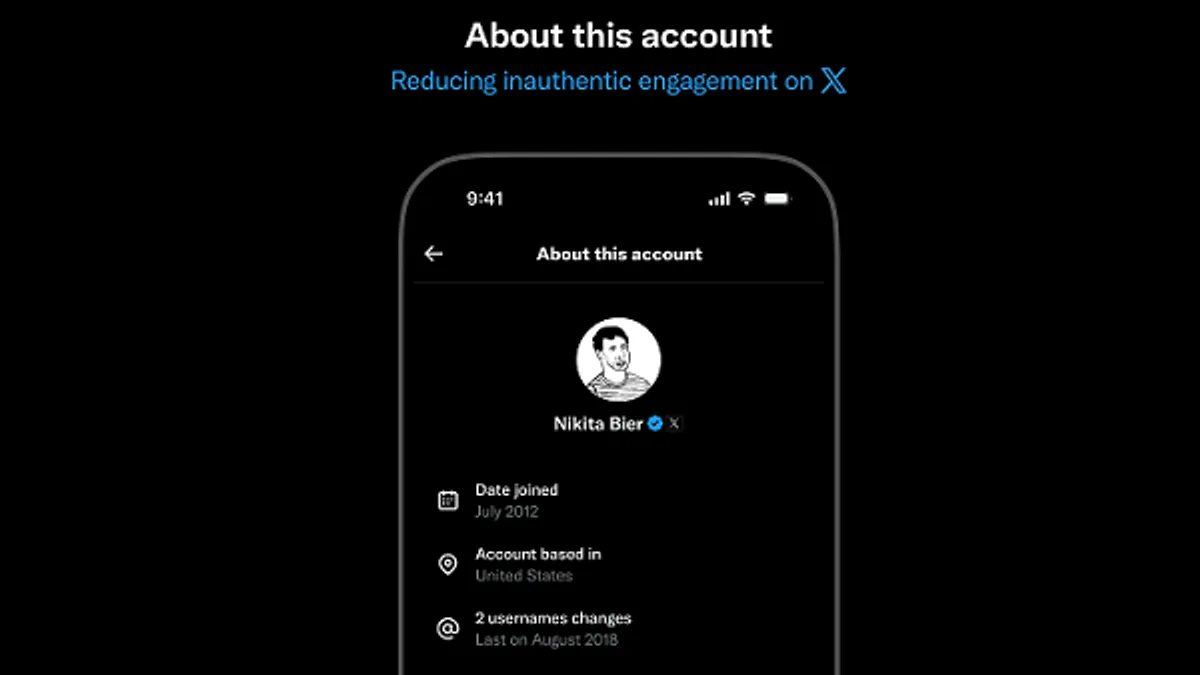
At the heart of the EU's complaint is X's current blue checkmark system. Historically, the blue check on Twitter signified a verified identity for public figures, journalists, and celebrities, confirming they were who they claimed to be. However, since Elon Musk acquired the platform and subsequently rebranded it to X, the blue checkmark now primarily indicates a paid subscription to X Premium. This new system requires minimal verification criteria, such as having a profile photo, a display name, and linking the account to a phone number, rather than a robust identity check.
"X's use of the 'blue checkmark' for 'verified accounts' deceives users," the Commission stated in a statement. "This violates the DSA obligation for online platforms to prohibit deceptive design practices on their services. On X, anyone can pay to obtain the 'verified' status without the company meaningfully verifying who is behind the account, making it difficult for users to judge the authenticity of accounts and content they engage with."
The Commission added that such a system exposes users to scams, impersonation fraud, and manipulation, undermining trust and safety on the platform.
Breaches in Advertising Transparency
Beyond the verification system, the European Commission also highlighted X's non-compliance with DSA requirements for advertising transparency. The regulator found that X's advertisement repository lacks crucial information, such as the content or topic of ads, and who paid for them. Furthermore, X reportedly imposes excessive delays in processing requests for access to this data.
"This hinders researchers and the public to independently scrutinize any potential risks in online advertising," the Commission noted, emphasizing the importance of accessible ad data for public oversight.
Restricted Access to Public Data for Researchers
Another critical area of concern for the EU is X's failure to provide adequate access to public data for researchers. The DSA mandates that public platforms allow researchers access to public data to study systemic risks. The EC's investigation concluded that X's processes create "unnecessary barriers," effectively undermining vital research into several systemic risks within the European Union.
"Moreover, X's processes for researchers' access to public data impose unnecessary barriers, effectively undermining research into several systemic risks in the European Union," the EC wrote.
Context and Next Steps
This decision follows a two-year investigation by the European Commission into X, probing suspected breaches related to risk management, content moderation, 'dark patterns,' advertising transparency, and data access for researchers. Henna Virkkunen, Executive Vice-President for Tech Sovereignty, Security, and Democracy at the European Commission, emphasized the EU's stance:
"Deceiving users with blue checkmarks, obscuring information on ads, and shutting out researchers have no place online in the EU."
X has been given 60 days to outline its plan to address the blue checkmark complaint and 90 days to present an action plan for rectifying the breaches concerning advertising and public data transparency and accessibility. Confirmed violations of the DSA can result in substantial sanctions, including fines up to 6% of a company's global annual turnover.