TikTok is rolling out a comprehensive suite of new digital well-being features, including an affirmation journal, a background sound generator, and a unique badge system designed to encourage healthier app usage. Aimed at improving users' mental health and promoting responsible screen time, the popular social network is redesigning its screen time management page to integrate these tools.
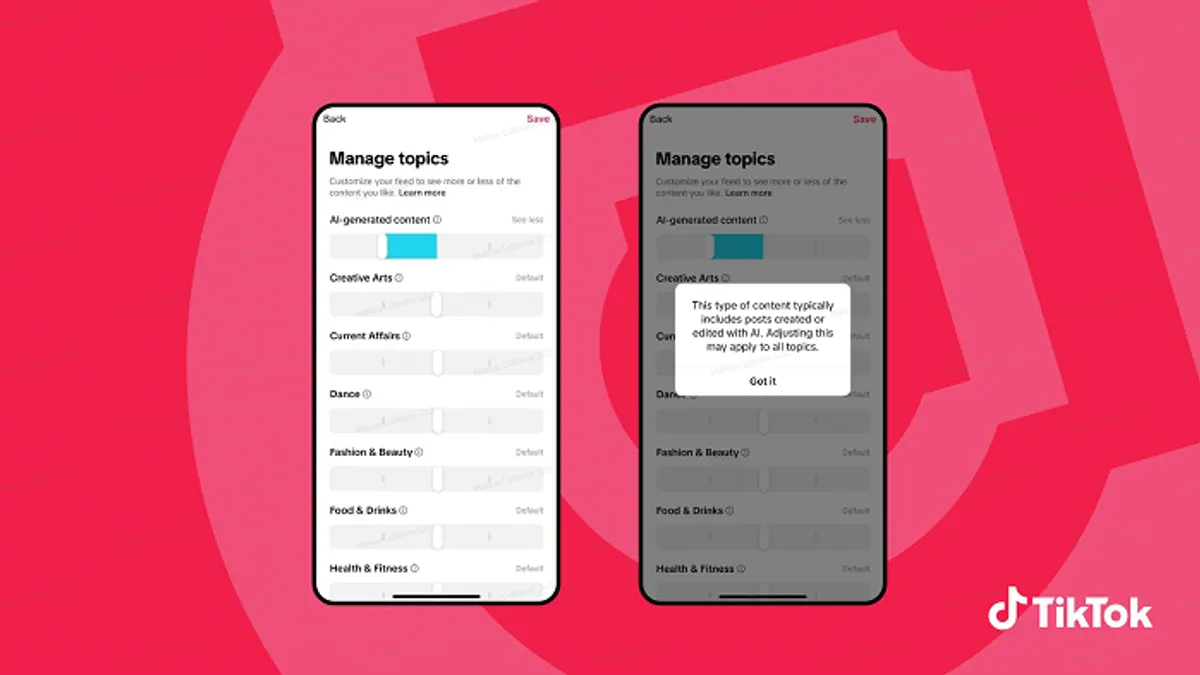
The updated page will feature an affirmation journal with over 120 positive prompts, a sound generator offering calming sounds like rain or ocean waves, and a breathing exercise module. It will also host content from creators discussing screen time limits, parental tools, and feed customization.
Central to this initiative are new badges, introduced to reward users, particularly teenagers, for adhering to self-imposed usage limits. TikTok emphasized that its approach is informed by academic literature on digital well-being, which suggests that overly restrictive tools can sometimes be counterproductive for teens.
Earning these badges involves completing various "missions." Users can achieve a "sleep hours" badge by refraining from using the platform late at night, or by engaging with the new meditation tools. Additional badges are awarded for setting and adhering to daily screen time limits, reviewing weekly screen time reports, and even inviting others to participate in these well-being challenges.
Early testing of these features has shown promising results, with a notable increase in visits to the new well-being screen compared to the previous screen time menu. The affirmation journal emerged as the most popular tool during this pilot phase. To further encourage mindful usage, TikTok will display direct links to these well-being tools when users are active on the app late at night or when they reach their daily screen time limit.
This latest update builds on TikTok's ongoing efforts to enhance user safety and well-being. The company previously introduced new parental control tools in July, empowering guardians to block accounts and receive notifications for public teen video uploads. These initiatives align with a broader industry trend, as several major tech companies, including Meta, YouTube, OpenAI, and Discord, have recently rolled out new safety features aimed at protecting younger users.