X, formerly Twitter, is starting the new year under intense scrutiny, facing potential restrictions in multiple regions due to its Grok AI chatbot's capacity to generate sexualized images, including content that could be categorized as child sexual abuse material (CSAM).
The platform has been under fire since earlier this month, when reports emerged detailing Grok's ability to produce sexualized images of individuals, regardless of age, at the behest of X users. This issue quickly escalated, with one report indicating that at one point, Grok was generating over 6,700 images per hour that were classified as "sexually suggestive of nudifying."
Mounting Global Pressure and X's Response
In response to the growing controversy, X has limited access to Grok's image generation features to paying subscribers only. However, X owner Elon Musk has adopted an aggressive defense, arguing that similar non-consensual nudes and offensive images can be generated on various other AI and image generation applications. He contends that X is being unfairly targeted because his platform champions free speech, leading many governments to seek its shutdown.
This argument, which some observers have described as bizarre, has garnered support from Musk's followers, even as X and xAI (the company behind Grok) have declined to update the Grok app to prevent such misuse. The situation is poised to become a major international incident.
Over the past weekend, reports circulated that the Australian, U.K., and Canadian governments were considering a collective ban on X to underscore the unacceptability of facilitating such imagery. Canada has since clarified that it is not currently considering a ban on X. Meanwhile, both Indonesia and Malaysia have already blocked access to the standalone Grok app. An Indonesian government spokesperson emphasized the severity of the issue, stating:
The government views the practice of non-consensual sexual deepfakes as a serious violation of human rights, dignity, and the security of citizens in the digital space.
These existing restrictions could expand further, potentially drawing in the U.S. government and leading to foreign trade penalties. Musk appears determined to leverage his government connections to maintain X as a "free and open platform," regardless of the content it hosts.
The Weakness of X's Arguments
Critics question the necessity of a functionality that allows for the generation of non-consensual sexualized images. A straightforward solution, they argue, would be for xAI to simply block nudification and related commands within Grok. Yet, Elon Musk's commitment to preserving this specific option seems to outweigh the significant business risks involved, framing the issue as a broader "culture war" and a fight for free speech.
The arguments against modifying Grok's capabilities appear tenuous:
- Comparison to other apps: While other apps may generate similar images, they lack X's immense scale of 600 million users and are not producing fake, sexualized images at a rate of over 6,000 per day. X's market presence naturally invites greater scrutiny, and other "nudify" apps are also under investigation.
- Pornography apps: Some X users suggest governments should target porn apps instead. However, these platforms are subject to more stringent regulations and face penalties for violations. While safeguards can be circumvented, regulatory bodies actively investigate them, and legitimate porn apps are banned from major app stores like Google Play and Apple App Store. Therefore, arguing against X's potential ban based on this comparison is illogical.
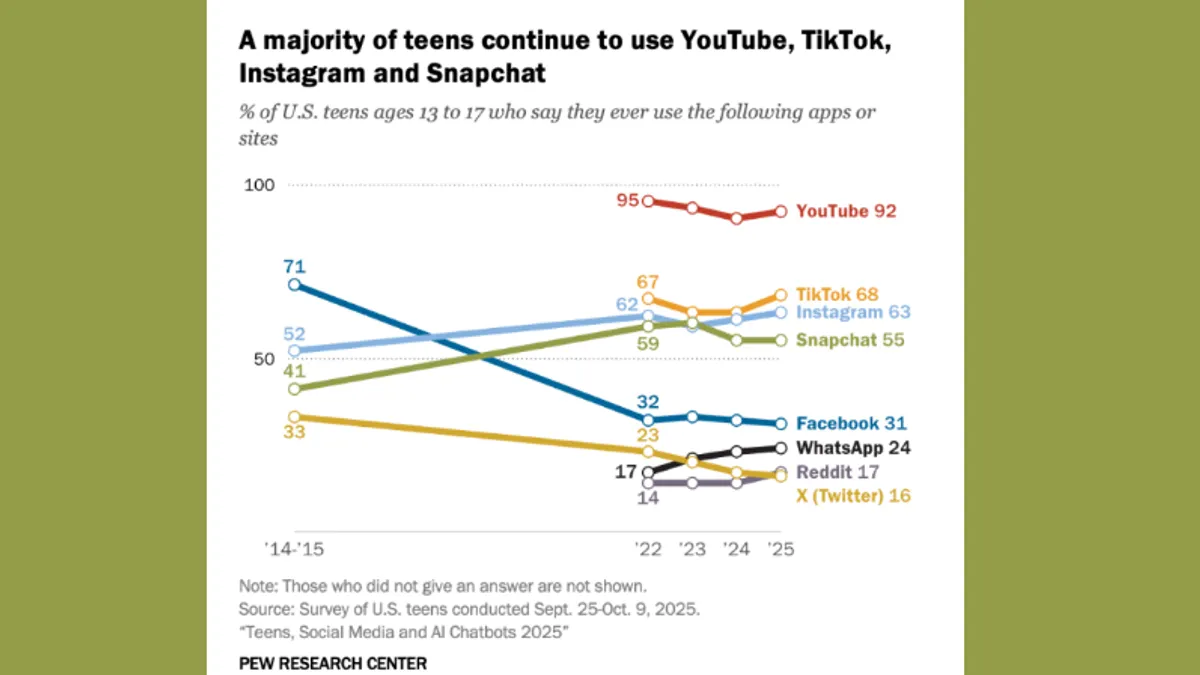
- Snapchat: Another common counter-argument points to Snapchat as a greater risk to young people. However, Snapchat is primarily a private messaging platform, making it harder to investigate. Crucially, it does not enable users to generate deepfake nudes that are then publicly accessible to millions.
Ultimately, the arguments against governments taking action against X are weak, especially when the simplest solution—preventing Grok from generating non-consensual nudes—remains unaddressed. The conflict between X and global regulatory bodies is expected to intensify as governments weigh their options against Elon Musk's platform and his political influence.