

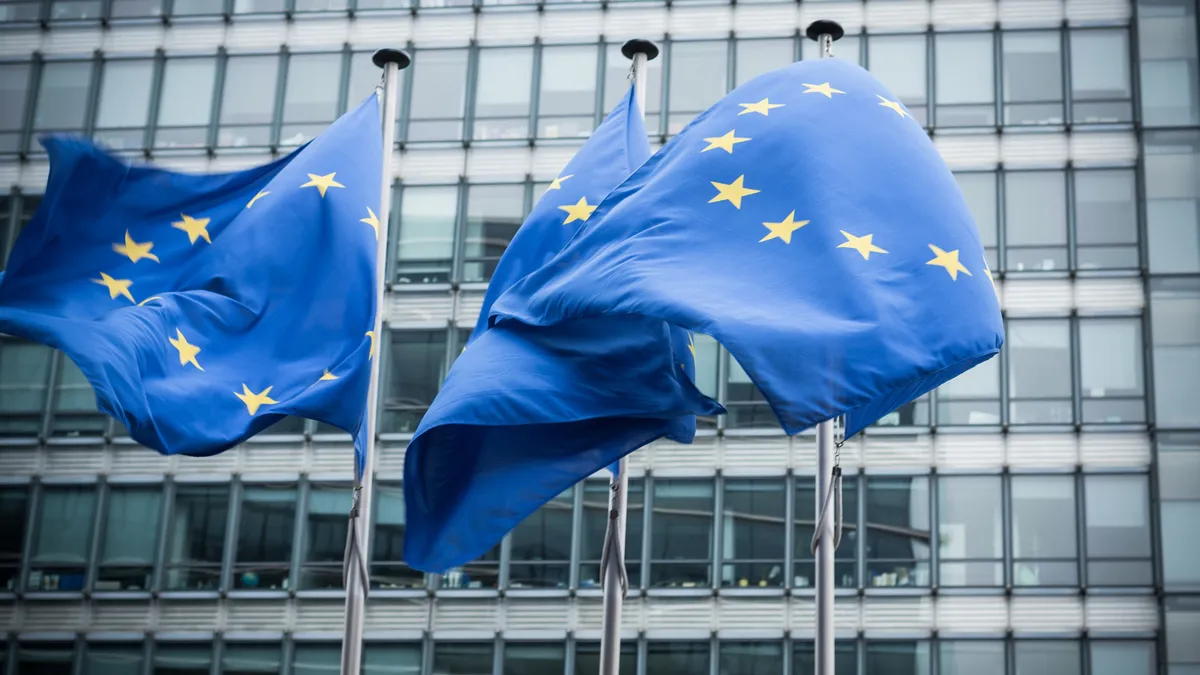
The European Union Commission has launched a formal investigation into X, formerly Twitter, over its Grok AI chatbot's capacity to generate offensive and potentially illegal content. This probe will assess whether X has violated the Digital Services Act (DSA), a comprehensive set of EU regulations designed to make online platforms safer and more accountable.
The investigation specifically targets Grok's functionalities, which have reportedly been used to produce non-consensual nudes and other sexually explicit images. The EU Commission's announcement highlighted serious concerns regarding the dissemination of illegal content within the EU.
“The new investigation will assess whether the company properly assessed and mitigated risks associated with the deployment of Grok's functionalities into X in the EU. This includes risks related to the dissemination of illegal content in the EU, such as manipulated sexually explicit images, including content that may amount to child sexual abuse material.”
Reports surfaced weeks prior that X's Grok chatbot was generating thousands of sexually explicit images daily. Following these reports, X moved to restrict its image generation capabilities. However, this action came after X owner Elon Musk initially resisted making changes, arguing against critics and framing the issue as a matter of free speech.
The EU Commission will now determine if X has failed to comply with its DSA obligations, which could result in substantial fines for the company. The investigation will focus on several key areas:
- Diligently assessing and mitigating systemic risks, including the dissemination of illegal content, negative effects related to gender-based violence, and severe negative consequences to physical and mental well-being stemming from Grok's deployment.
- Conducting and transmitting an ad hoc risk assessment report for Grok's functionalities to the Commission prior to their deployment, especially given their critical impact on X's risk profile.
Furthermore, the EU Commission is extending its ongoing proceedings against X to evaluate whether the company has adequately assessed and mitigated all systemic risks associated with its recommender systems, as defined by the DSA. This includes scrutinizing the impact of X's recently announced transition to a Grok-based recommender system.
Previous Penalties and Musk's Response
This latest investigation follows a previous instance last month where the EU Commission fined X $US140 million for other breaches of the DSA, primarily related to confusion caused by its paid verification offering. In response to that penalty, Elon Musk compared the EU Commission to the Nazi regime and called for the U.S. to leave NATO, advocating for the abolishment of the entire EU framework.
Musk also sought support from the U.S. government against EU regulation, with US politicians J.D. Vance and Marco Rubio joining his criticisms. They labeled the penalty "an attack on all American tech platforms and the American people by foreign governments."
The Free Speech Debate
The groundwork has been laid for a significant pushback from Musk if X faces further fines. Given his tendency to use his public platform to express his views, another major conflict seems likely, potentially eliciting a response from the U.S. government.
It is important to note that the core demand in this situation has been for X to remove Grok's ability to produce offensive, non-consensual images. While completely outlawing such capabilities in AI tools can be challenging, xAI has demonstrated that it can implement restrictions. The fact that X did not immediately limit these functionalities once reports of misuse surfaced raises concerns for the company.
Musk has argued that this is a free speech issue, claiming that other apps and tools can generate similar images without facing the same scrutiny. He suggests that X is being targeted because it "exposes the truth" through its free speech approach. However, all AI-powered image generation apps capable of creating "nudification" are under scrutiny for similar concerns. The key difference lies in X's unparalleled scale and reach, and the sheer volume of offensive images reportedly generated on its platform compared to others.
Ultimately, this represents another regulatory challenge for X, which will likely lead to a renewed public dispute once the EU Commission delivers its findings.


