While the marketing landscape is undoubtedly undergoing significant transformation, the assertion that artificial intelligence (AI) is the sole catalyst for this change warrants closer examination. Instead, AI appears to be accelerating shifts that have been in motion for years, a reality many in the industry have been slow to fully grasp.
The author acknowledges the practical opportunities AI presents in a professional context but disputes the notion that it has fundamentally reshaped the marketing ecosystem. Rather, AI is seen as an accelerant to existing trends, such as:
- The resurgence of platforms like Reddit, driven by search-oriented user behavior.
- The booming creator economy, underscoring consumers' trust in authentic voices.
- The enduring power of word-of-mouth marketing.
- The continued virality of compelling content.
- A growing reluctance among users to click unless absolutely necessary.
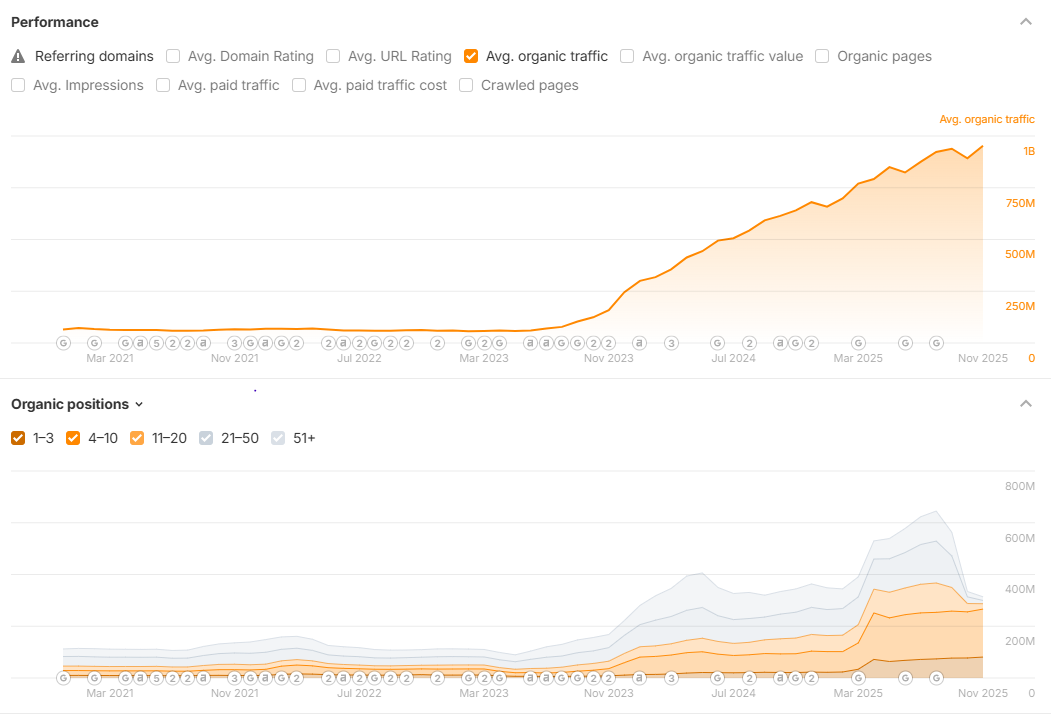
Large Language Models (LLMs) offer insights into a brand's online perception, often emphasizing review platforms and strong brand identities. Focusing on clear brand association with core topics, removing ambiguity, and strengthening product positioning remains crucial.
The contemporary marketing landscape extends far beyond traditional search. It's about fostering genuine connections and deriving value from diverse media types, a principle that should have always been central to marketing efforts.
Key Takeaways
- The customer journey now spans a multitude of platforms, including TikTok, YouTube, and Instagram.
- Last-click attribution is outdated; while bottom-of-funnel (BOFU) platforms get credit, creators, communities, and discovery platforms perform the critical early-stage work.
- AI has not disrupted the marketing world but rather exposed its inherent complexity, multi-platform nature, and people-driven dynamics.
- Brands succeed by deeply understanding their audience, investing in creators, and crafting experiences that stand out in an increasingly saturated digital environment.
The Evolving Customer Journey
The customer journey has been in constant flux for an extended period. Paid channels are becoming increasingly expensive, while owned channels, particularly search, are delivering fewer clicks, largely due to changes implemented by Google. Consequently, earned channels are emerging as a highly coveted asset for businesses.
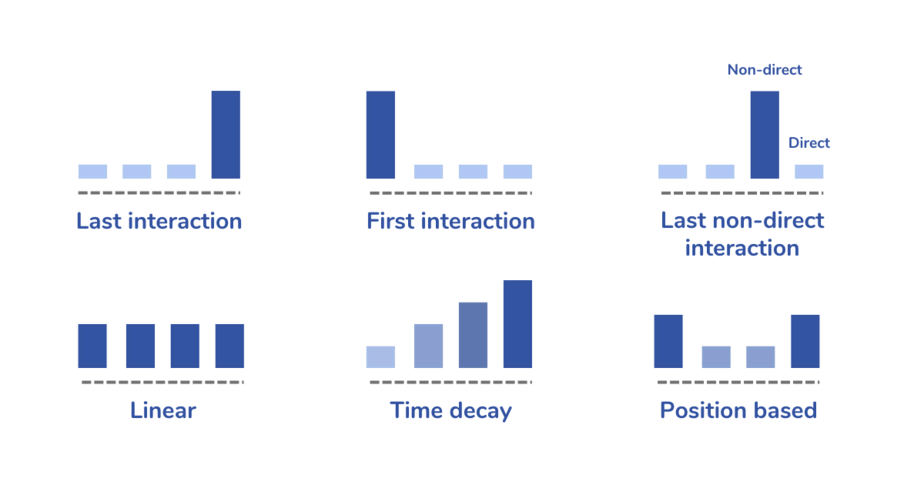
Many brands still rely on last-click attribution, a method that disproportionately favors search. However, for over a decade, discovery platforms like TikTok, YouTube, and Instagram have proven to be more valuable in the customer's journey than traditional search engines.
Users typically turn to search engines to find products, brands, or information they already know exist, or for comparison purposes. With the impending rollout of AI Mode, Google aims to capture more middle-of-funnel queries, theoretically altering its role as a discovery platform. Like many major tech companies, Google increasingly prioritizes paid placements, reducing organic click referrals unless explicitly purchased.
Search Is No Longer A Single Platform Journey
Research conducted by Rise at Seven's SEO and Data teams, analyzing 1.5 billion searches across five channels, reveals critical insights into modern search behavior:
- A typical buying journey can span anywhere from two days to 10 weeks, involving up to 97 interactions.
- Google accounts for only 34.5% of the total search share.
- YouTube (24%), TikTok (16.7%), and Instagram (20.9%) collectively make up over 60% of search activity.
- On average, consumers now use 3.6 platforms before making a purchase.
Google's primary function is not discovery, though it facilitates some comparison shopping. Instead, users often discover products on Instagram or TikTok, seek reviews on Reddit (sometimes via a branded Google search), and watch videos on TikTok or YouTube before potentially buying directly or through Amazon. In many cases, their final interaction with Google is a branded search.
Given this multi-touchpoint journey, the efficacy of last-click attribution becomes highly questionable.
It's important to note that many of these alternative platforms are driven by "clickless" algorithms, presenting content directly to users. Google, in contrast, traditionally requires an explicit click, a fundamental search action. Other platforms offer homepages that proactively engage users.
This multi-platform journey is not a new phenomenon, and search has likely not been a single-platform experience for some time, depending on how "search" is defined. Google's "Messy Middle" concept accurately describes an era where marketing has been overly focused on tracking every penny, an increasingly difficult task. At some point, marketers must prioritize understanding their audience deeply and engaging them effectively.
Brands must influence clicks via search, but more broadly, they need to focus their efforts on the right channels for their audience, not just search. This necessitates a profound understanding of the target audience and the adoption of attribution models that go beyond solely valuing the bottom-of-funnel click.
Has AI Been The Catalyst?
AI has played a role, but behavioral shifts predated the widespread adoption of LLMs. These changes stem from consumers having better, more visually engaging, and more authentic options. The creator economy's boom, for instance, is a testament to people's trust in other people.
Consider a typical consumer journey in the age of AI:
- A new product might be discovered while browsing social media.
- For genuine opinions, a user might consult Reddit (often through a Google search for specific reviews).
- Subscriptions to newsletters or creators who discuss and use the product might follow.
- An LLM could suggest product ideas (though these would require careful verification).
- Even real-world sightings can spark interest.
Many of these paths eventually lead to a Google search, often for navigation. This highlights the problem with last-click attribution, as the final click is rarely the most influential touchpoint. For most discerning users, AI alone often falls short. Even Google's leadership advises against blindly trusting AI, acknowledging its inherent flaws.
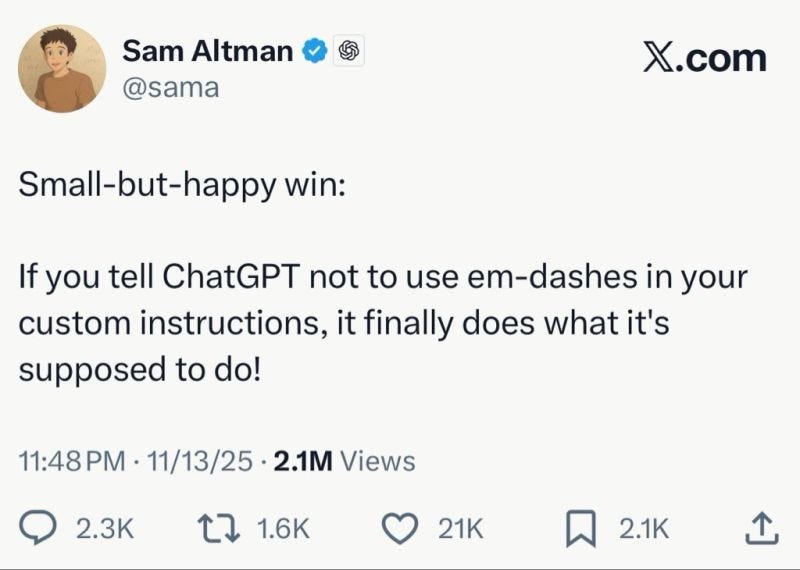
The complexity and elongation of user journeys are further amplified by the proliferation of both effective and low-quality platforms and opinions. Cutting through this noise is paramount for both individuals and brands. Therefore, the ability to build bold brands and products that inspire conversation and sharing is more critical than ever.
Studies show that 90% of marketers report stronger engagement from creator content, with 83% linking it to increased conversions. Furthermore, 61% of consumers trust creator recommendations more than brand advertising. Algorithms, it seems, reflect this human trust.
Channel-By-Channel Breakdown
Marketing channels do not operate in isolation. A holistic, integrated approach across marketing departments is essential. AI Overviews (AIOs) and other AI-driven changes have ripple effects across the entire ecosystem, necessitating a clear understanding of their impact.
SEO
The most immediate threat to SEO is the rise of zero-click search, a trend that predates AI but is exacerbated by it, leading to reduced referral traffic.
- AIOs have significantly reduced click-through rates (CTR), particularly for informational, top-of-funnel (TOFU) queries.
- AI Mode aims to capture middle-of-funnel clicks, ostensibly to "help users make the right decision."
- While LLMs offer an alternative to traditional search, their primary utility often lies in complementing, rather than replacing, existing search behaviors.
Despite these challenges, AI has introduced interesting developments in SEO, such as "vibe engineering" platforms like Cursor and prototyping tools like Lovable, which open new avenues for innovation. However, the space is also rife with misinformation and outdated perspectives, exemplified by some industry commentators who dismiss SEO's relevance while advocating for tactics from a decade ago.
Such individuals, often lacking a comprehensive understanding of marketing, SEO, the internet, or human behavior, contribute to the "enshittification" of our digital lives.
PPC
PPC and SEO share common ground, targeting similar traffic, making paid search equally susceptible to the impact of AIOs and AI Mode. The general consensus points to a negative impact.
Data from Seer Interactive provides compelling evidence of this impact: when an AIO is present and a brand is not cited, clicks can drop by over 78%. Even in the absence of an AIO, paid clicks are down 20%. This translates to significantly higher customer acquisition costs and blended CPAs.
This trend suggests a notable shift in user behavior. Users are becoming accustomed to obtaining immediate answers from TOFU searches, reducing their inclination to click through, even when an AIO is not displayed. Attention spans are diminishing across the board.
Social
The rapid proliferation of disinformation in search, with platforms like Google promoting fake content and struggling to block it, mirrors challenges in social media. Gaming the system through tactics like PBNs and expired domain abuse continues to be effective.
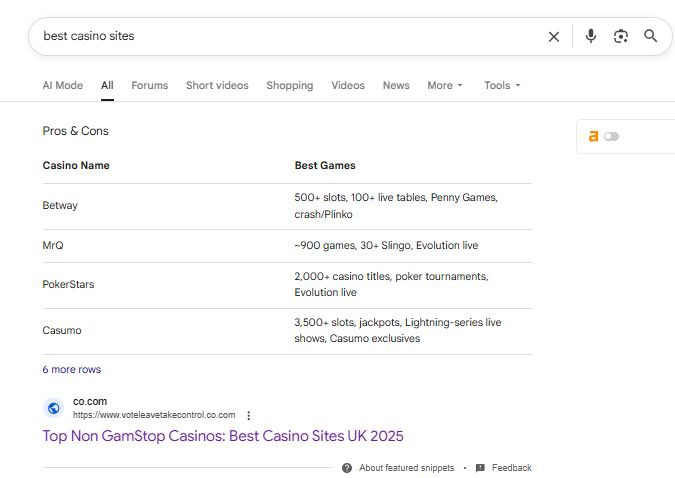
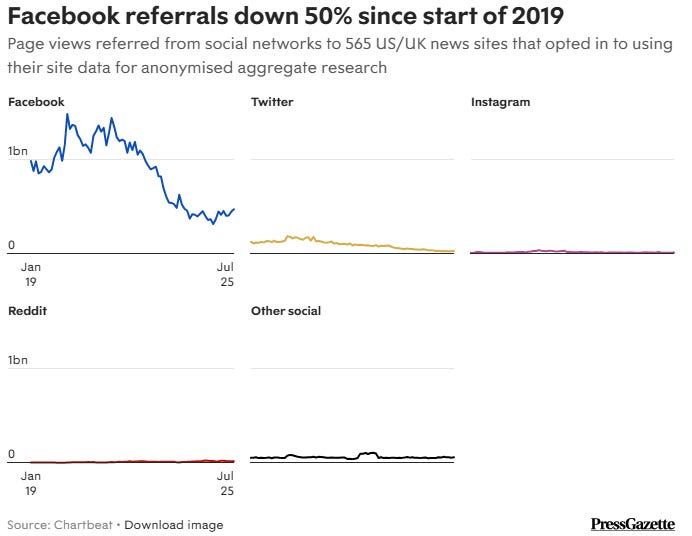
The sheer scale of misinformation is unprecedented. Globally, individuals spend an average of 2 hours and 24 minutes on social media daily, making them highly susceptible to personalized fake news. This may contribute to the observed decline in social media usage over the past couple of years, particularly among younger demographics, as reported by the FT.
Social platforms are increasingly perceived as shells of their former selves, with genuine connections being overshadowed by low-quality, often AI-generated content. This phenomenon, termed "enshittification," describes a three-stage process:
- Platforms initially attract users with free access.
- They then monetize activity, drawing in businesses without regard for user experience.
- Once users are "trapped," value is transferred to executives and shareholders.
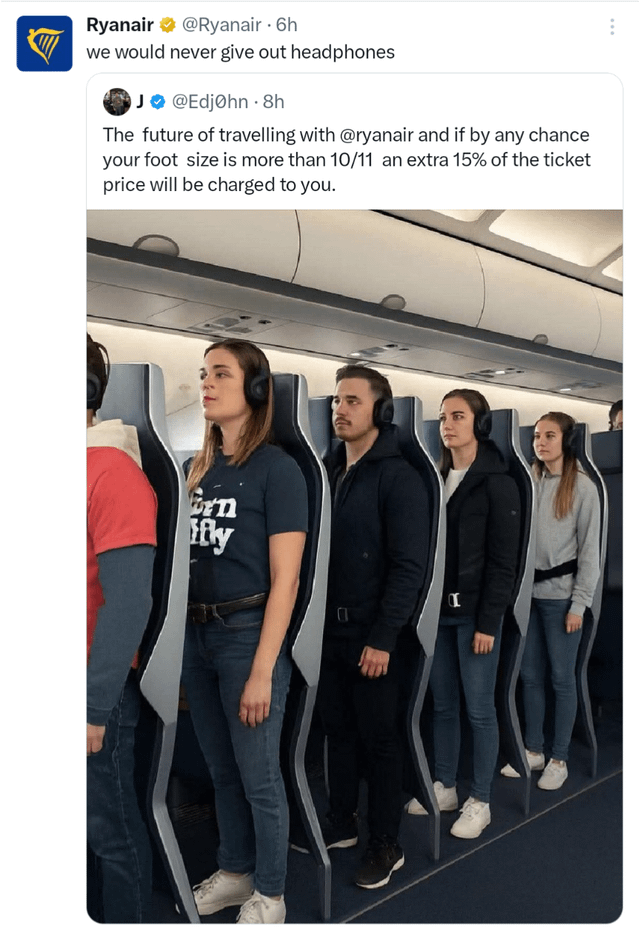
The proliferation of auto-generated comments and AI-driven content for corner-cutting purposes exemplifies this decline, leading to a deluge of meaningless content. This trend, driven by platform algorithms prioritizing engagement at all costs, is inadvertently turning users away from hyper-addictive content. Ryanair's social media strategy, for example, stands out for its authenticity and effectiveness amidst this landscape.
As an owned channel, email is less directly affected by generative AI. However, the Litmus State of Email Report identifies several key roadblocks and operational challenges for email marketing teams.
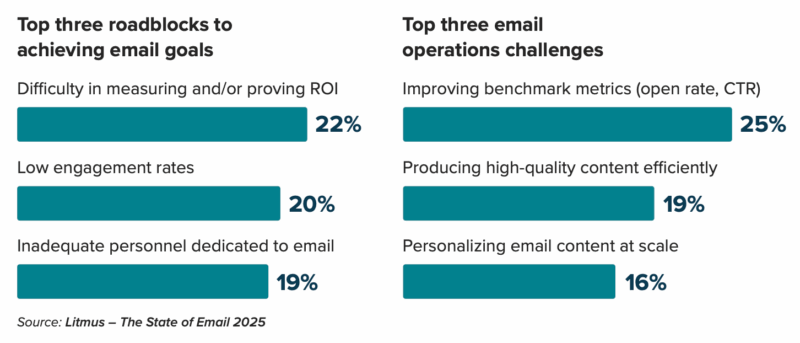
AI has the potential to exacerbate these issues. The mass production of bland, personality-devoid content will inevitably lower engagement. While AI can assist with personalization, research, and distribution, its ability to consistently create high-quality content that genuinely captivates and engages audiences remains a point of skepticism.
Paid Vs. Earned Vs. Owned
This framework is crucial for understanding the marketing funnel. As customer acquisition becomes more expensive through paid campaigns in the awareness phase, owned and earned channels must work harder to boost conversion rates.
- Paid campaigns primarily aim to reach new audiences and retarget existing, highly qualified ones. However, their costs are rising, particularly in PPC.
- Owned media, such as email databases built from search and organic social, faces threats but remains incredibly valuable.
- Earned media—public exposure through word-of-mouth and shared content—is arguably more important than ever, given consumers' strong trust in peer opinions.