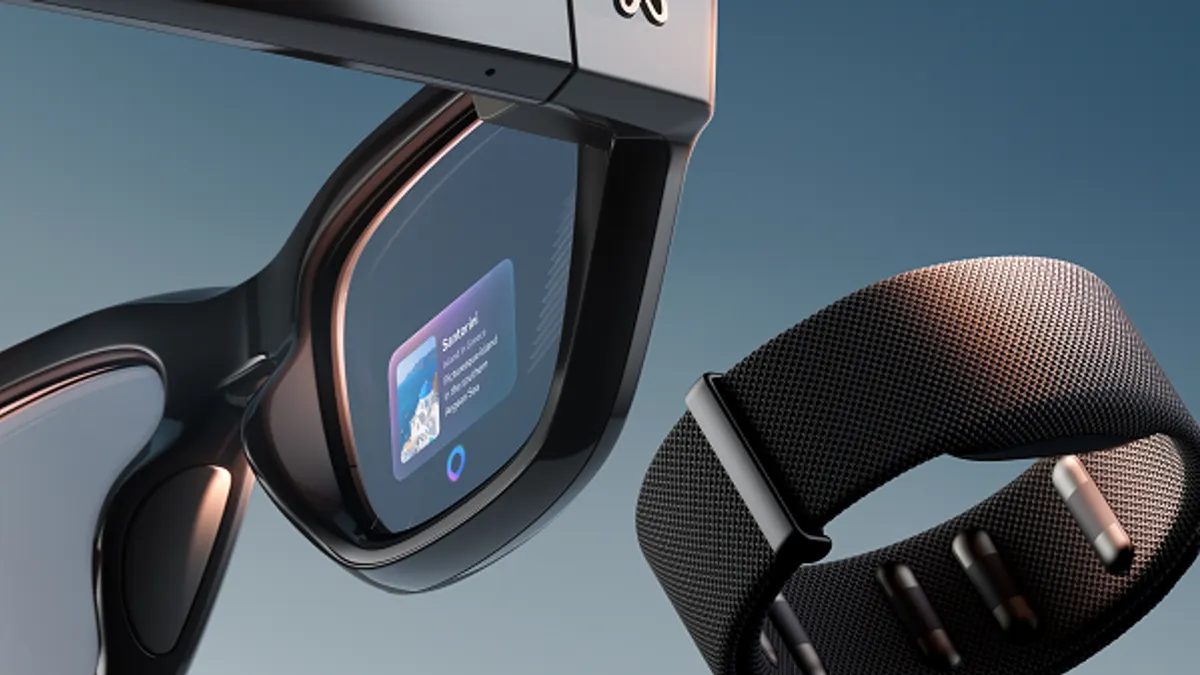
As the digital landscape rapidly evolves, marketers are urged to look ahead to 2026, a year poised to mark a significant shift in how consumers connect and interact online. Augmented Reality (AR) is set to move from niche concept to mainstream reality, driven by fierce competition between tech giants Snap and Meta. This transformation demands that digital marketing strategies adapt, as AR glasses become a tangible part of everyday life, reshaping social media and user engagement.
Digital connection has become the most prominent form of interaction, replacing traditional media like television as the primary source of information. As user behaviors shift towards social apps, so too must marketing approaches. This article, the final in a series exploring key digital marketing trends for 2026 (following discussions on AI and algorithmic polarization), focuses on the impending AR shift.
The Inevitable Rise of Augmented Reality
While some may remain skeptical about AR and Virtual Reality (VR) becoming the next major digital shifts, and Meta's apparent scaling back on its "metaverse" ambitions might suggest a dip in enthusiasm, historical technological trends indicate their transformative impact is inevitable. Users consistently gravitate towards the most advanced and accessible connection options available.
Consider the evolution of social media: it began with SMS, progressed to broadcast text messages via platforms like MySpace and Facebook, then morphed into image sharing as connectivity improved. This further evolved into ubiquitous short-form video clips. The pattern is clear: people will always seek more advanced mediums to share experiences and participate in culture. This is where AR steps in.
Augmented reality overlays digital elements onto a user's real-world field of vision, enhancing or even altering scenes through an interactive interface. The core challenge lies in how effectively AR devices can interpret their surroundings and translate what users see into valuable, actionable digital additions that justify the investment in these devices.
Snap and Meta: Racing for AR Dominance
Snapchat was an early pioneer in AR, attempting to extend its interactive Lenses into dedicated AR glasses. Its first version of Spectacles launched in 2016, followed by "World Lenses" designed for immersive AR overlays. However, development challenges slowed Snap's momentum, leading to a re-evaluation of its AR glasses strategy.
Meanwhile, Meta (formerly Facebook) began developing its own AR glasses around 2018, focusing on affordability to drive mass adoption. In 2020, Meta previewed its "Project Aria" AR glasses, initially planning a consumer launch for 2027. Since then, Meta has provided extensive details and launched its Display smart glasses, which include a neural band wrist controller designed to interact with future AR elements.
Not to be outdone, Snapchat has continued developing its own AR glasses, now dubbed "Specs." In a strategic move to preempt Meta, Snap plans to launch its AR Specs to consumers this year.
2026: The Watershed Year for AR
Snap's expedited launch of AR Specs is the primary reason 2026 is set to be a watershed moment for AR devices and the next major shift in digital connection. While Snap's Specs may initially struggle to compete with Meta's popular AI glasses, their early release will generate significant attention for AR. Crucially, this will compel Meta to accelerate its own AR announcements and launches, ensuring Snap cannot gain a "first-mover advantage" and become synonymous with AR, much like ChatGPT has with AI.
Meta has learned from its experience with AI. Despite developing machine learning systems for over a decade, it didn't repackage them as "AI" and beat OpenAI to market with a ChatGPT-like application. Consequently, numerous new AI tools are now vying to become the dominant entry point for the technology. Meta is unlikely to let Snap steal its thunder in the AR space, even with a potentially inferior device.
Indeed, Snapchat's planned AR Specs are reportedly inferior to Meta's planned AR glasses. Meta's "Orion" model is expected to be lighter, offer longer battery life, provide a wider field of vision, and likely be more affordable due to Meta's market power. Furthermore, Meta's current AI glasses are selling so well that the company cannot meet demand, reinforcing its confidence in leading the AR wearables market.
Snap's early launch of AR Specs is a calculated risk that will undoubtedly force Meta to ramp up its AR-related announcements and product releases, thereby boosting overall excitement and awareness for AR as the next connective platform. This competitive dynamic is precisely why AR will become a much bigger consideration for businesses in 2026.
Preparing for the AR Future
Does this mean businesses need to start building their own AR worlds immediately? Not necessarily. However, with AR builder tools becoming increasingly user-friendly, often assisted by AI technology, social media managers are strongly advised to begin experimenting with creation platforms. For instance, Meta offers AR and VR builder tools (though note that Meta's Spark AR platform is being phased out). The more familiar marketers become with these technologies, the better positioned they will be to capitalize on AR as it gains widespread adoption.
Consumers are already embracing Meta's latest AI glasses, drawn by the promise of an ever-present AI assistant, hands-free communication, and auto-translation. As these practical tools evolve, AR overlays represent a natural progression. If Meta can maintain an accessible price point to encourage mass adoption, this will indeed become the next significant technological shift, as envisioned by Mark Zuckerberg and others.
In essence, 2026 is poised to be the year we collectively grasp the immense potential of true AR experiences. The competitive launches from Snap and Meta will provide a clear glimpse into how AR can become a valuable, viable addition to our daily lives, offering a multitude of new functionalities and interactive possibilities.