After decades largely out of the national spotlight, RC Cola is staging a significant comeback, spearheaded by its parent company, Keurig Dr Pepper. The beverage giant is banking on a wave of consumer nostalgia and a renewed interest in classic cola flavors to revitalize the 120-year-old brand, marking this push with RC Cola’s first major advertising campaign in 40 years.
Founded in 1905, RC Cola boasts a rich history of innovation. While not the first cola, it pioneered several industry firsts, including the introduction of soda in aluminum cans, the launch of the first low-calorie diet cola, and the execution of nationwide taste tests. The brand achieved cult classic status through its memorable John Wayne marketing campaigns in the 1940s, rising to become the third-largest soda brand by the 1960s before gradually fading from mainstream prominence. Its innovative past is a key part of its legacy.
A Strategic Re-entry into a Nostalgia-Driven Market
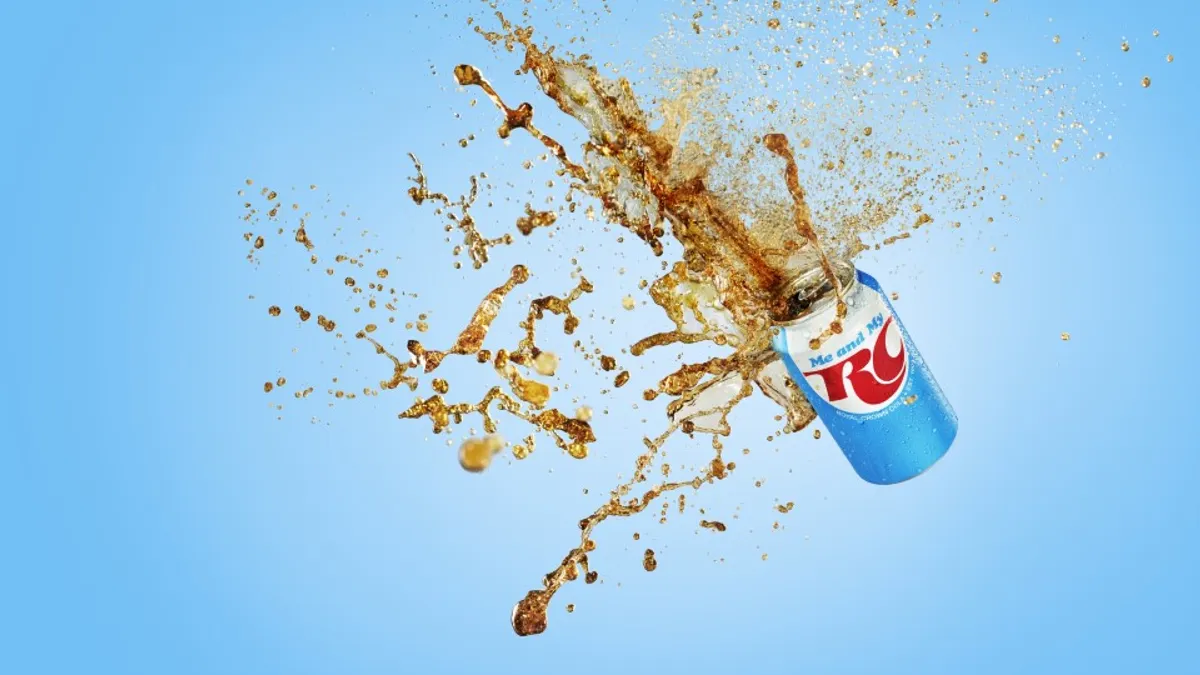
Keurig Dr Pepper sees this as an opportune moment for RC Cola to re-enter the national conversation, appealing to both long-time fans and new consumers. The beverage industry is currently experiencing a strong trend toward legacy brand nostalgia, a sentiment RC Cola aims to tap into, even retaining its distinctive 1970s and '80s-era packaging. The recent advertising campaign strategically focused on Chicago, a city where RC Cola maintains a strong foothold thanks to its enduring partnerships with local pizza establishments. Its tagline, “Not a soft drink. Just a damn good cola,” encapsulates the brand's positioning as an authentic, no-frills, and affordable alternative amidst a market increasingly saturated with functional and wellness-oriented beverages.
“We think that right now [we] can really stand out as the soda category has become dominated by a bunch of messaging around wellness and also happiness and crowd pleasing: wanting to be great for everyone.”
— Erica Hollington, director of brand marketing for Keurig Dr Pepper’s emerging brands
This push also allows Keurig Dr Pepper to expand its reach into a new consumer segment. While the beverage giant has historically excelled in flavored sodas like ginger ale, orange soda, and root beer, its presence in the core cola category has been less pronounced, Hollington noted. The cola market presents a significant opportunity, accounting for 46% of overall soda sales with considerable room for expansion. Citing Circana data, Keurig Dr Pepper reported a 4.6% year-over-year increase in cola sales for 2024. Despite RC Cola's relatively small footprint within the broader Keurig Dr Pepper portfolio, Hollington emphasized the company's belief in the brand's “huge growth potential,” buoyed by its strong existing consumer awareness.
Authenticity Over Trends
This trend of leveraging nostalgia isn't unique to Keurig Dr Pepper. Competitors like Coca-Cola have also re-released classic brands, such as an adjusted Mr. Pibb recipe, and introduced limited-time Diet Coke offerings with retro packaging. Hollington attributes this consumer interest to a desire for “authentic brands” with established histories, a characteristic RC Cola embodies through its longevity and legacy of innovation.
While RC Cola remains committed to its core identity and avoids chasing every fleeting trend in the soda market, it did recently introduce a zero-sugar version to cater to evolving consumer preferences. However, Keurig Dr Pepper's immediate focus is on strengthening its current offerings rather than pursuing extensive new product innovation. Hollington concluded,
"[We can] worry more about really being true to ourselves and speaking directly to our current loyal fans and those others that may become part of that fan club."
— Erica Hollington, director of brand marketing for Keurig Dr Pepper’s emerging brands