Meta is seeking crucial guidance from its independent Oversight Board as the tech giant prepares to expand its X-style Community Notes system for content moderation. This move signals a significant shift away from third-party fact-checkers, but with only the U.S. currently utilizing the system, Meta is proceeding cautiously before a broader global rollout.
The company has formally requested the Board's advice on key considerations for the expansion. Specifically, Meta wants to understand which factors should determine if a country is omitted from the rollout, especially given varying contextual elements that could impact the program's effectiveness. Additionally, Meta has asked for guidance on how to weigh these factors to ensure a scalable and consistent application of the system worldwide.
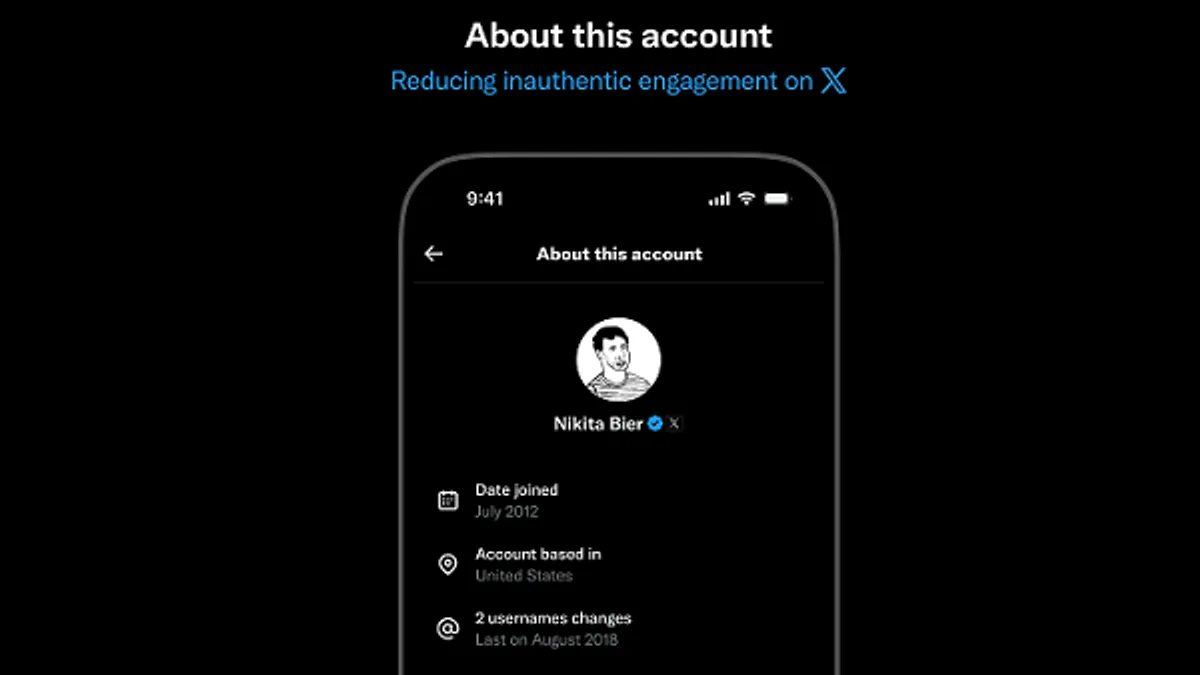
The Community Notes system empowers users to contribute context and clarifications to posts, effectively allowing the community to moderate content rather than relying solely on Meta's internal teams. This approach aims to alleviate the burden on platforms making difficult decisions regarding potential content censorship, a contentious issue that gained prominence following the COVID-19 pandemic and subsequent debates around misinformation and "freedom of speech." This shift also aligns with broader industry trends, exemplified by Elon Musk's changes at X (formerly Twitter) and a perceived alignment with certain political administrations advocating for less platform intervention.
However, crowdsourcing moderation presents its own set of challenges, particularly the potential for political bias to influence what information is highlighted or suppressed. The Oversight Board will delve into how Meta's algorithm identifies "helpful consensus." According to Meta, a note is published if it achieves sufficient agreement among contributors who typically hold differing views, and if it adheres to Meta's Community Standards. These notes are then displayed at the bottom of the relevant posts.
A significant concern, previously identified as a critical flaw on X (formerly Twitter), is that the requirement for cross-ideological agreement can prevent helpful notes from appearing on highly divisive topics. When opposing groups cannot find common ground, valuable context might never be displayed, leaving potentially harmful or misleading content unchecked. While Meta reports that Community Notes have led to a "significant reduction in enforcement mistakes," this fundamental issue remains an impediment to effective misinformation combat across its platforms.
The Oversight Board's investigation will thoroughly assess these limitations, including whether Meta should consider maintaining third-party fact-checking as a crucial safeguard. The findings of this review could significantly impact Meta's strategy, potentially leading to delays or even the shelving of its plans for a wider global rollout of Community Notes. Some speculate that delaying the expansion could even be a strategic move by Meta, allowing it to appear aligned with certain political viewpoints while continuing to rely on existing moderation strategies in other regions, thereby avoiding the full complexities of a broad crowdsourced system.