Meta has secured a major victory in its protracted antitrust battle against the Federal Trade Commission (FTC). A federal judge ruled that the social media giant did not illegally stifle competition by acquiring Instagram and WhatsApp, bringing an end to a five-year legal challenge that sought to dismantle parts of its empire. The FTC initially launched its lawsuit in 2020, alleging Meta (then Facebook) maintained an illegal social networking monopoly through "a years-long course of anticompetitive conduct."
Central to the FTC's case was the claim that Meta acquired Instagram in 2012 and WhatsApp in 2014 specifically to "neutralize competition," thereby violating antitrust laws. The commission had sought the divestment of both popular applications as a remedy.
The legal journey was not straightforward. In 2021, a federal judge initially dismissed the FTC's suit, stating that the commission failed to "plausibly establish" Facebook's monopoly power. Undeterred, the FTC refiled an amended case, which was subsequently approved for trial a year later, leading to the prolonged legal wrangling.
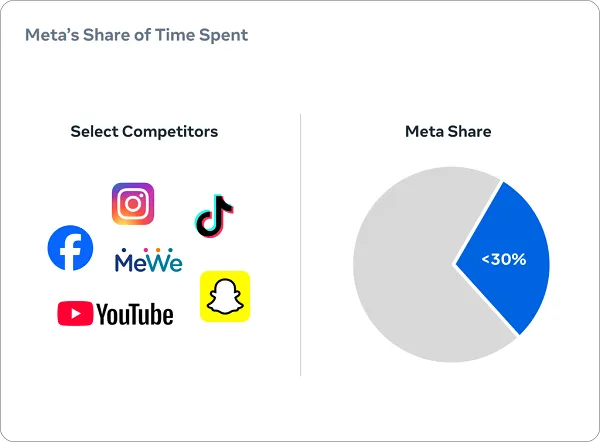
Ultimately, Meta's successful defense, as reported by Reuters, hinged on the argument that acquiring companies to leverage their expertise and features, rather than developing similar tools internally, constitutes a legitimate business strategy. The judge concurred, also noting that the FTC's case "understated the competitive environment" in the social media landscape, pointing to the significant growth of platforms like TikTok and YouTube despite Meta's acquisitions.
Meta had consistently argued that the FTC's interpretation of the competitive landscape was narrow and outdated. The company highlighted that the commission had overlooked significant rivals, focusing instead on smaller platforms like Snapchat and a messaging platform called MeWe in its arguments against the FTC's case. The judge's ruling echoed this sentiment, concluding that the FTC's case was based on a limited view of Meta's competition and failed to adequately demonstrate that the company stifled market competition. The rise of TikTok, in particular, was cited as evidence that new challengers can emerge and thrive, even amidst Meta's presence.
This victory is monumental for Meta, removing the threat of forced divestiture of Instagram and WhatsApp. The ruling may also impact Meta's long-rumored plans for a singular, integrated messaging inbox across all its platforms. Speculation had suggested that the drive for deep messaging integration, as detailed in previous reports, was partly a defensive strategy, aiming to make a potential split of its apps impossible should it lose the antitrust case. Recent developments, such as the introduction of a separate inbox for Threads in July, hint that Meta may have deprioritized or even abandoned this integration project as its confidence in winning the lawsuit grew. With the legal cloud lifted, Meta is now free to pursue its development strategies without this significant constraint.