X, formerly Twitter, is rolling out significant updates to user profiles, introducing new data points aimed at enhancing transparency and combating foreign influence operations. Among these additions, a forthcoming indicator will reveal whether an account is utilizing a Virtual Private Network (VPN) to mask its true location, a feature expected to significantly aid in identifying manipulative accounts and foreign-based agitators.
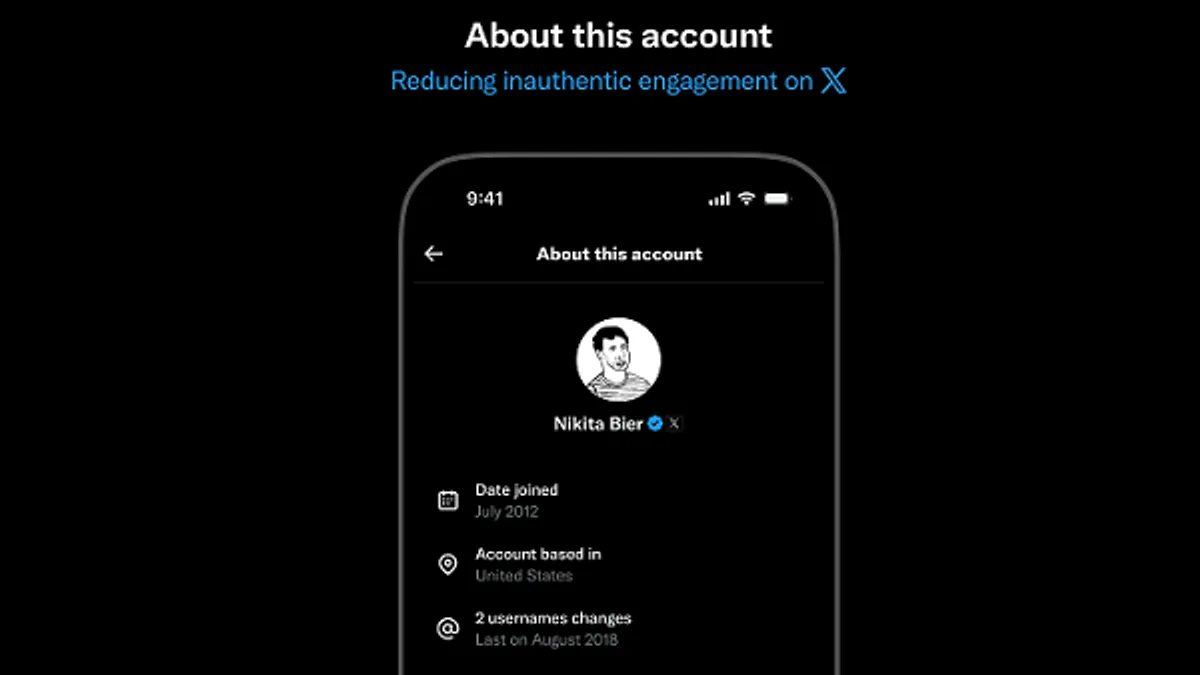
The platform recently announced that user profiles will soon display crucial details such as the account's creation date, the creator's reported location, and any historical username changes. This information will be readily accessible to all users, providing a clearer picture of an account's origins and evolution.
This initiative is designed to empower users to more easily identify bots and manipulative accounts that are often created to spread divisive content, antagonize, and provoke within the app. By providing more context, X aims to make it harder for bad actors to operate unnoticed.
Beyond these initial transparency updates, X is developing an equally impactful data point: an indicator showing if an account is using a VPN to hide its geographical location. These new profile elements, including the VPN status, are slated for a rapid rollout.
All this expanded account information will be housed within a new "About this profile" section, rather than being displayed directly in-stream. This dedicated area will offer X users crucial context, enabling them to better understand the origin of posts and potentially the motivations behind discussions, especially those concerning foreign affairs.
The issue of foreign influence operations has long plagued X and other social media platforms. These operations frequently exploit digital channels to disseminate propaganda and amplify divisive narratives, often with the goal of destabilizing or undermining foreign governments.
Major tech companies have actively combated such threats. Microsoft, for instance, has repeatedly documented extensive influence campaigns originating from China targeting U.S. social media platforms. Similarly, Google reported terminating over 10,000 YouTube channels linked to coordinated influence operations by Chinese state actors in 2025 alone, alongside hundreds more tied to Russian operations.
X's recent policy shifts, which have reportedly lowered moderation buffers in favor of broader free speech, have inadvertently made the platform a more attractive target for these influence activities. Consequently, these new transparency indicators could serve as a powerful tool to mitigate such influence and diminish the impact of coordinated efforts.
The effectiveness of these features, however, hinges on user engagement. If X successfully promotes awareness of these new tools, it could significantly reduce the impact of foreign operatives, as users will be empowered to flag suspicious location data or VPN usage in discussions, thereby contextualizing or discrediting potentially manipulative commentary.
Ultimately, the success of this initiative relies on users actively utilizing and highlighting this information during online discussions. Regardless, this move represents a positive step towards greater transparency, offering X users significantly more context about the content they consume and the individuals behind it. The new "About this profile" data page is expected to launch within the app shortly.