
TikTok is making a significant push into holiday e-commerce, offering a range of generous incentives to retailers to boost in-app sales. As part of this expanded effort, the platform is reportedly providing TikTok Shop merchants with various benefits, including covering delivery costs and offering substantial cash bonuses, with some incentives reaching up to $20,000 based on sales growth.
This aggressive strategy is part of TikTok's broader ambition to transform into an e-commerce powerhouse, replicating the immense success seen by its Chinese counterpart, Douyin. Douyin, the China-only version of TikTok, has become a dominant force in live shopping and in-app retail, generating an astounding $490 billion in gross merchandise sales (GMV) in 2024. Its offerings have expanded beyond typical retail to include groceries and meal delivery, solidifying its role as an essential, multi-faceted app for millions of young Chinese users.
Douyin's rapid ascent is particularly striking, evolving from virtually no commerce activity in 2019 to its current colossal GMV. This success story serves as the blueprint for parent company ByteDance's efforts with TikTok. However, Western consumers have historically shown less enthusiasm for integrating shopping directly into their social media streams.
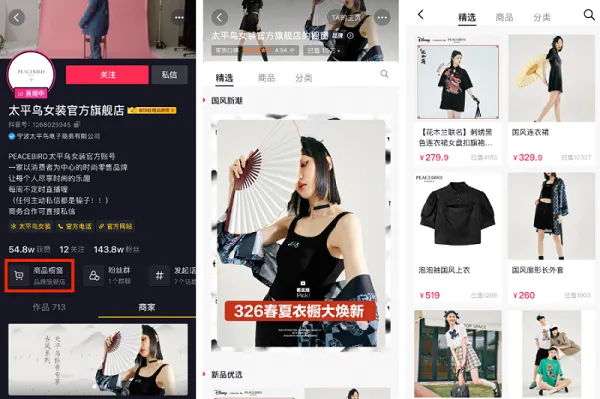
Signs of Growth in Western Markets
Despite the slower adoption compared to Douyin, there are encouraging signs that TikTok's e-commerce strategy is gaining traction in Western markets. Recent reports indicate that TikTok Shop experienced a significant sales surge in Q3, positioning the app for a substantial increase in its overall sales volume this year.
According to Digiday, citing data from Charm.io:
Between September 2023 and August 2024, TikTok Shop recorded $1.1 billion in gross merchandise value (GMV) and moved approximately 67 million units of stock. This figure escalated to $2.5 billion GMV and around 139 million units of stock between September 2024 and August 2025.
While still far from Douyin's staggering figures, this steady increase in TikTok Shop sales fuels the company's optimism that it can eventually replicate its e-commerce success in Western regions.
Cultural Hurdles and Management Frustration
The slower progress in Western markets has been a source of frustration for TikTok's Chinese management, who have sometimes attributed it to differences in Western work culture. However, the disparity appears to stem more from broader cultural preferences.
Chinese users often favor highly integrated apps that allow them to perform a wide array of tasks—from social networking to shopping and even utility payments—all within a single platform. In contrast, Western consumers typically prefer to keep their social/entertainment and shopping applications separate. While platforms like Pinterest show these lines are gradually blurring, a full replication of Chinese app adoption trends in the West is still some way off. This ongoing divergence is likely to continue to challenge TikTok's leadership, even as the platform experiences significant sales growth.
The U.S. Factor and Future Outlook for Sellers
The future of TikTok in the U.S. remains a critical variable. As America represents TikTok's largest revenue market, a potential ban on the app in the U.S. would severely impede TikTok's global e-commerce ambitions.
For TikTok sellers, the immediate outlook is positive. The platform is clearly committed to boosting in-app sales, presenting significant opportunities for retailers willing to engage with its current push. However, if TikTok's management continues to face frustration over slower progress compared to Douyin, or if the app encounters further restrictions in key foreign markets, this could shift its strategic focus. Such developments might lead to a reduced emphasis on in-stream shopping, even if sales continue to grow year-over-year.