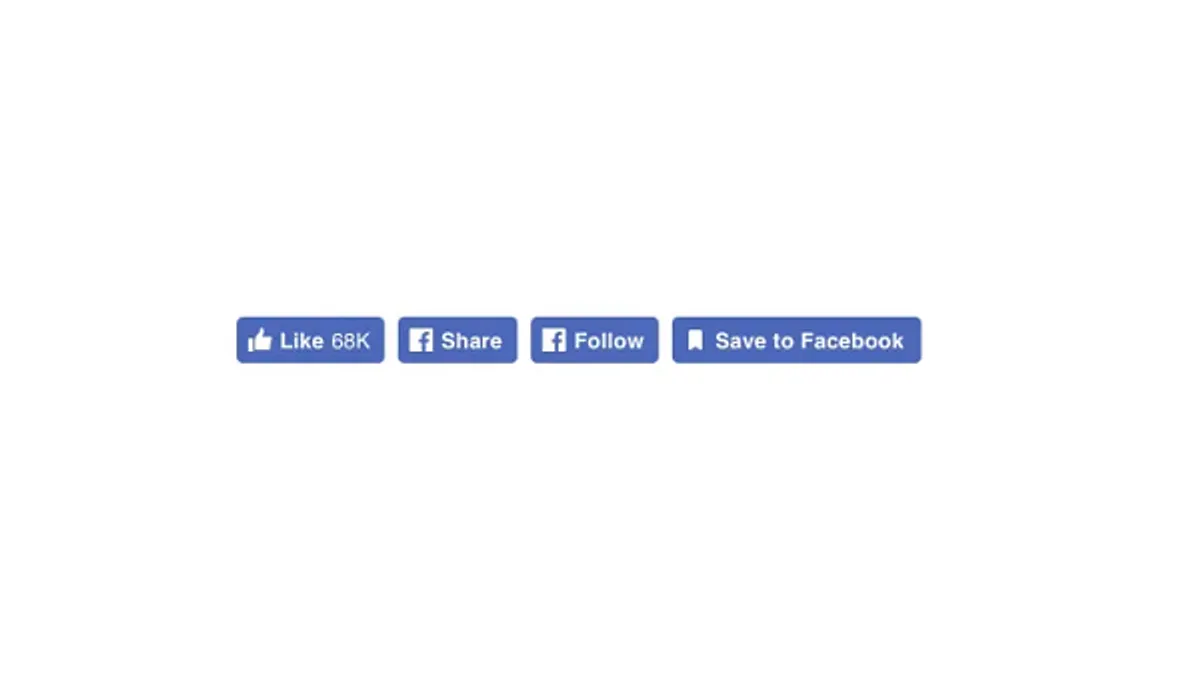
Meta has announced a significant change for third-party websites: the familiar Facebook Like and Comment buttons, once ubiquitous tools for social interaction, are being retired. Effective February 10, 2026, these social plugins will no longer function, marking a clear acknowledgment from the tech giant that explicit "likes" and external engagement methods are becoming less relevant in the evolving digital landscape.
For years, these buttons were a common sight on countless websites and blogs, offering a quick and easy way for users to engage with content directly through their Facebook accounts. Whether it was a simple "Like" or a full comment thread, these integrations provided a direct link between external content and a user's Facebook presence.
Meta detailed the technical aspects of this deprecation, assuring web managers that the transition will be seamless:
On February 10, the plugins will gracefully degrade by rendering as a 0x0 pixel (invisible element) rather than causing errors or breaking your website functionality. This change is intended to only remove the plugin content from your site, and should not otherwise impact your website's functionality.
This means that website administrators are not required to take any action; the buttons will simply cease to appear and function, disappearing from view without disrupting site performance. However, web managers may choose to remove the plugin code for a cleaner user experience.
Why the Change? Evolving Digital Engagement
Meta attributes the retirement of these options to a "natural decline" in their usage as the digital landscape has evolved. This shift reflects a broader trend in how social media platforms understand and measure user engagement. Modern algorithms have become far more sophisticated, capable of inferring user interest and preferences without relying solely on explicit signals like "likes."
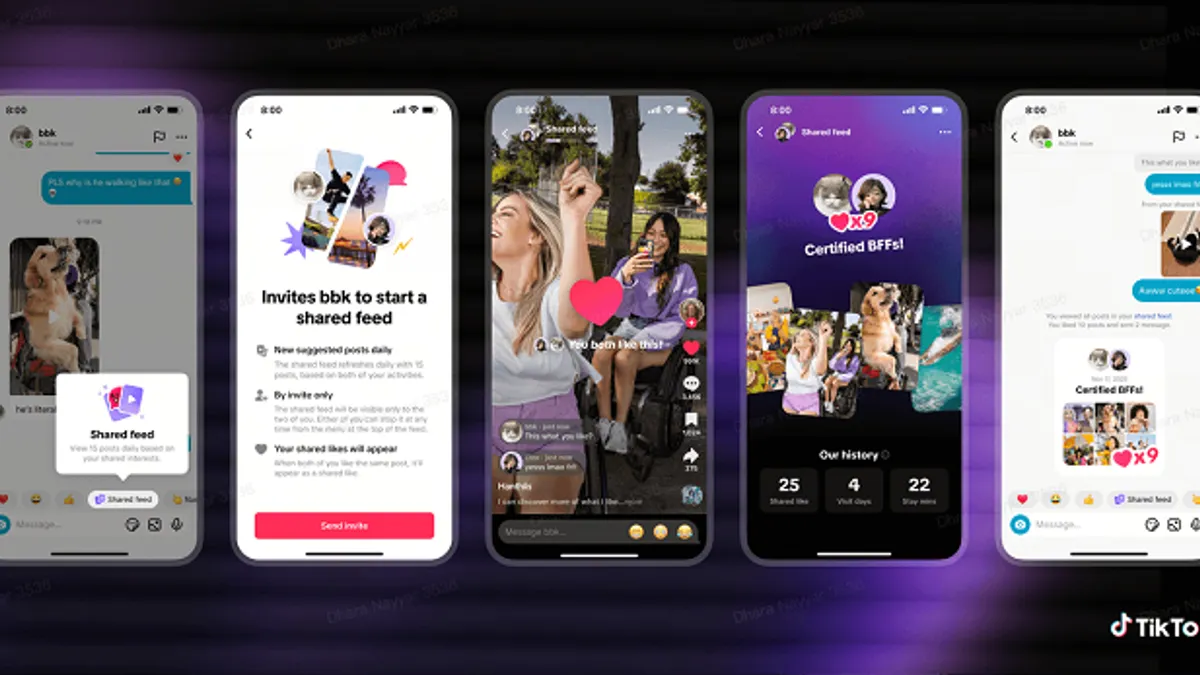
The paradigm shift was notably influenced by platforms like TikTok, which moved away from curated following feeds to an algorithmic "For You" experience. This model prioritizes showing users a continuous stream of content based predominantly on their actual viewing habits within the app, rather than explicit likes or follows. Consequently, other social platforms have followed suit, adopting similar algorithmic displays to offer a wider breadth of content tailored to individual interests.
As a result, the necessity for users to "Like" content has diminished. Furthermore, the rate of people liking and commenting on posts that then link back to Facebook has also declined, coinciding with Facebook's evolving role and relevance as a primary social app. While billions still use Facebook, the nature of that engagement has changed, making external interactions fed back to a Facebook presence less impactful than before.
The deprecation of these long-standing social plugins is more than just a technical update; it's a significant milestone that underscores a fundamental shift in how we interact with content online and how social media platforms prioritize engagement in the algorithmic age.