Facebook is rolling out a series of significant updates to its feed, algorithm controls, and overall user experience, aiming to enhance relevance and engagement in a rapidly evolving social media landscape. These changes reflect Meta's ongoing efforts to adapt to shifting social media usage trends and revitalize user interaction on its flagship platform.
Enhanced Feed and Content Presentation
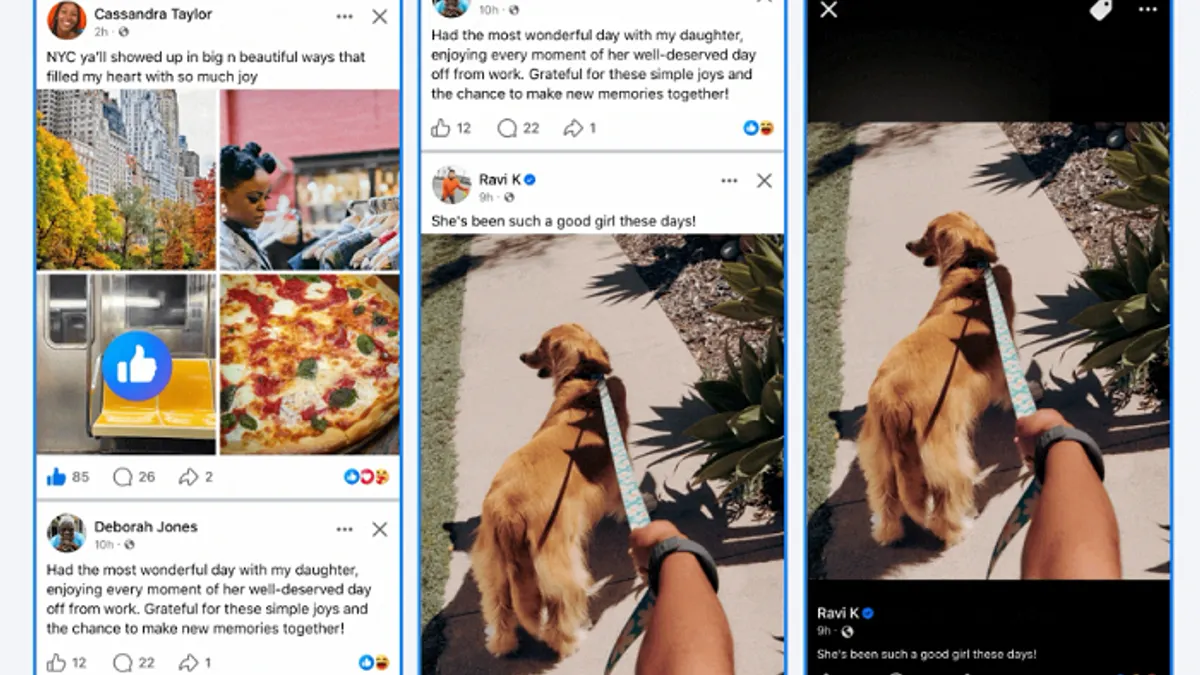
To make the main feed "simpler and more immersive," Facebook is updating the display of multiple photo posts. Users will now see images arranged in a standardized grid, with simplified like and expand options activated by tapping any image. Tapping content in the feed will also expand it to full screen, offering a more engaging viewing experience.
Meta is also streamlining access to frequently used features. Soon, popular Facebook features such as Reels, Friends, Marketplace, and Profile will be prominently displayed in the tab bar for easier access. This update will also introduce a refreshed menu design and cleaner tab notifications to help users keep track of the latest updates across the platform.
While many users typically navigate Facebook via the lower function buttons, these changes aim to provide an additional, more prominent means for quick access to key features, with expanded options within the tab display.
Facebook is also revamping the presentation of its search results, introducing a "more immersive grid layout that supports all content types." This visual-first approach to discovery aligns with broader trends towards full-screen, immersive viewing experiences across social media platforms.
Additionally, Facebook is testing a new full-screen viewer for search results, allowing users to explore various photo and video content without losing their original search context. This feature is expected to roll out in the coming months.
Greater Algorithm Control and Personalization
Following in the footsteps of Instagram and Threads, Facebook is integrating its own in-stream algorithm refinement tools. Users will soon find new topic options when tapping the 'X' on an in-stream post, providing more granular control to indicate why content is irrelevant, including specific topic signals.
Previously limited to snooze and report options, this update offers a more direct way for users to inform Facebook's algorithm about their content preferences, allowing them to see more or less of specific content types. This marks another step in manual algorithm refinement, empowering users with greater control over their in-app experience. Facebook plans to test additional algorithm control tools next year.
Intuitive Posting and Improved Interactions
Facebook also aims to make posting more intuitive by highlighting the most popular creation tools as a final step within the composer. This feature adds overlays of frequently used post-editing options just before publishing, potentially encouraging users to enrich their updates with more creative elements.
This approach, reminiscent of Instagram's user experience, could encourage more sharing on Facebook, especially given the higher engagement rates seen on its sister platform.
Comment sections are also receiving an overhaul, featuring "streamlined replies, prominent badging, and new pinning tools" to facilitate easier conversation tracking and management.
Interest-Based Friend Recommendations
Finally, Facebook is enhancing its people discovery process with friend recommendations based on shared interests. For example, if a user updates their profile to show an interest in sourdough bread baking or planning a trip to Nashville, Facebook will suggest friends who can offer tips or local recommendations.
Moving beyond connections based solely on existing acquaintances, Facebook will now attempt to link users through common interests and hobbies. While intended to expand community, this feature has raised concerns about potential safety risks, as the platform lacks a direct vetting process for these new connections. Critics note that without a robust vetting process, connecting strangers based on interests could inadvertently expose users to risks. Nevertheless, these efforts clearly demonstrate Facebook's strategic push to revitalize engagement within the app by fostering more connection and conversation.
Strategic Context and Future Outlook
Despite Facebook remaining the most used social media network by raw numbers, boasting over 3 billion active users, it no longer commands the majority of users' time spent on social platforms. Platforms like TikTok, YouTube, and Instagram now lead in terms of time spent, largely due to their immersive short-video feeds. While users still check Facebook for updates from family and friends, the level of active engagement has declined. This shift likely motivates Meta's efforts to introduce new ways to spark connection and re-engage users with the app.
Overall, these updates align with emerging social media behaviors. However, the strategy of connecting strangers based on shared interests continues to draw scrutiny due to potential negative outcomes. While Facebook might argue that users already connect within groups, critics highlight a key difference: group participation often requires a degree of active engagement and adherence to community rules, offering a layer of self-regulation absent in direct, interest-based recommendations. Concerns persist about the potential for malicious actors to exploit this feature by populating profiles with arbitrary interests. Furthermore, users might mistakenly perceive a level of safety in Facebook-recommended connections that may not exist.
Despite these specific concerns, the broader suite of changes generally aligns with evolving user behaviors and aims to deliver a more engaging and personalized Facebook experience.